
Design Mistakes We See Homeowners Make Before Hiring a Designer
Many homeowners attempt to tackle design projects on their own before reaching out for professional help. While the intent is often to save time or money, certain common missteps can lead to frustration, wasted resources, and spaces that feel disconnected or poorly considered.
Understanding these mistakes can help homeowners make more intentional choices and see the value in professional guidance.
1. Skipping Space Planning

One of the most common errors is diving into furniture or finishes without first considering how a space functions. Without a layout plan, rooms can feel cramped, awkward, or unbalanced.
Examples of this mistake:
Buying a sofa that is too large for the living room, blocking circulation
Selecting a dining table that does not accommodate natural movement around the space
Arranging furniture against walls without defining zones or conversation areas
Space planning ensures furniture fits, flow works, and rooms serve the way the homeowners actually live.
2. Choosing Trends Over Timelessness
It is easy to be drawn to popular trends when selecting finishes, colors, or decor. While trends can add personality, over-relying on them can date a home quickly or create a look that feels generic.
We often see:
Bold wallpaper or paint choices applied without considering long-term appeal
Furniture and finishes that match “current” styles but do not fit the home’s architecture or the family’s lifestyle
Overmixing finishes that clash rather than complement each other
A designer helps balance current trends with timeless choices that will feel curated and cohesive years down the line.
3. Ignoring Scale and Proportion
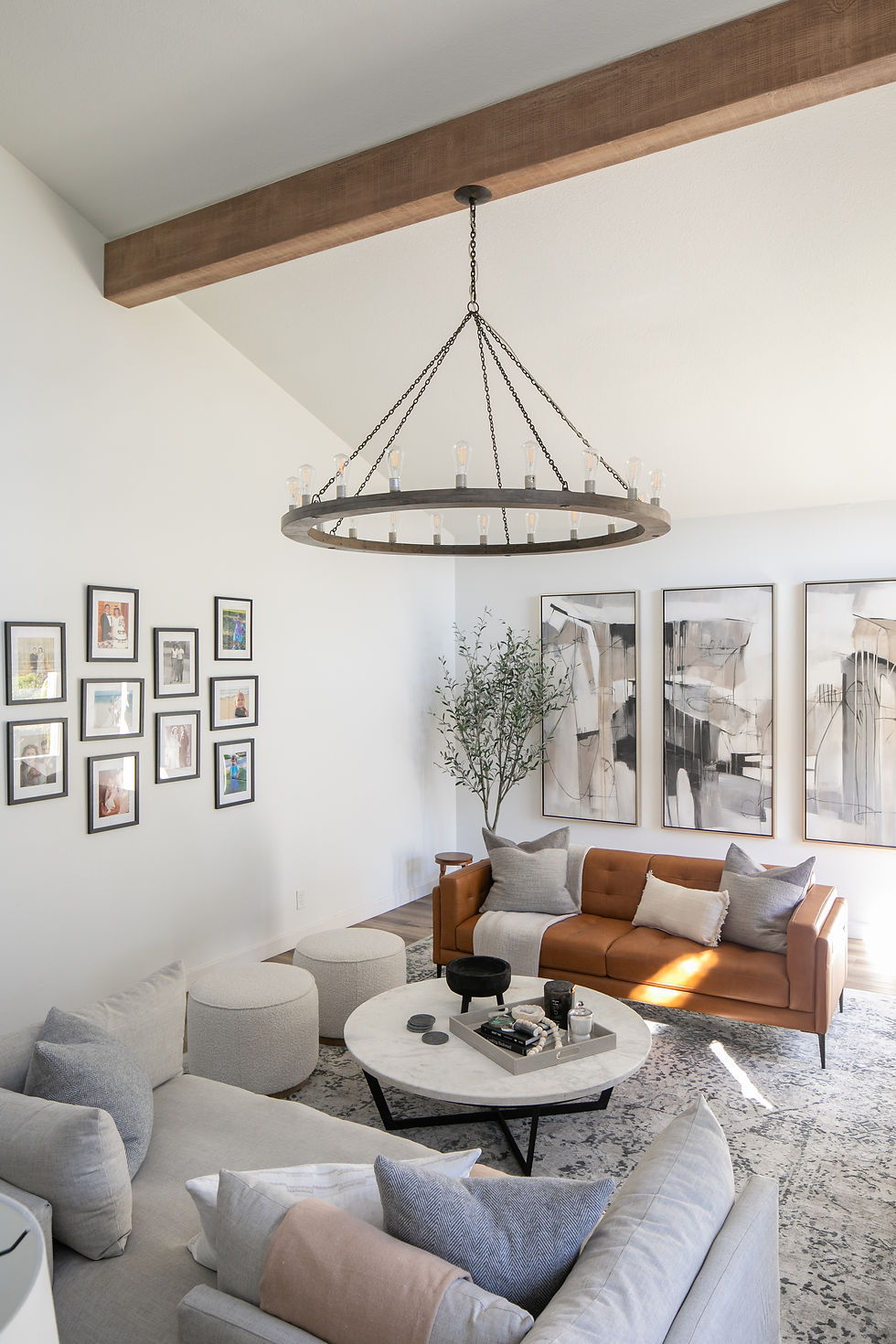
Scale is one of the most overlooked aspects of design. Choosing items that are too large or too small can make a room feel awkward, no matter how expensive or stylish the pieces are. Common missteps include:
Too-small rugs that float in a room
Low seating paired with high tables, creating imbalance
Lighting fixtures that dominate or disappear in the space
Designers help ensure furnishings and accessories feel intentional, balanced, and suited to the home’s dimensions.
4. Underestimating Lighting Needs
Homeowners frequently assume that natural light is enough or that a single overhead fixture will solve all needs. In reality, layered lighting is essential for function and atmosphere.
Typical issues we see:
Dark corners and poorly lit task areas in kitchens or offices
Harsh overhead lighting without softer ambient or accent layers
No consideration for the type or placement of lamps and sconces
Lighting affects how a space feels and functions, and thoughtful layering ensures rooms are both practical and inviting.

5. Neglecting Storage and Functionality
A beautiful space is wasted if it cannot support daily life. Many homeowners focus solely on aesthetics and overlook storage, organization, and usability.
Examples:
Minimal or poorly placed cabinetry in high-use areas
Overcrowded or impractical furniture arrangements
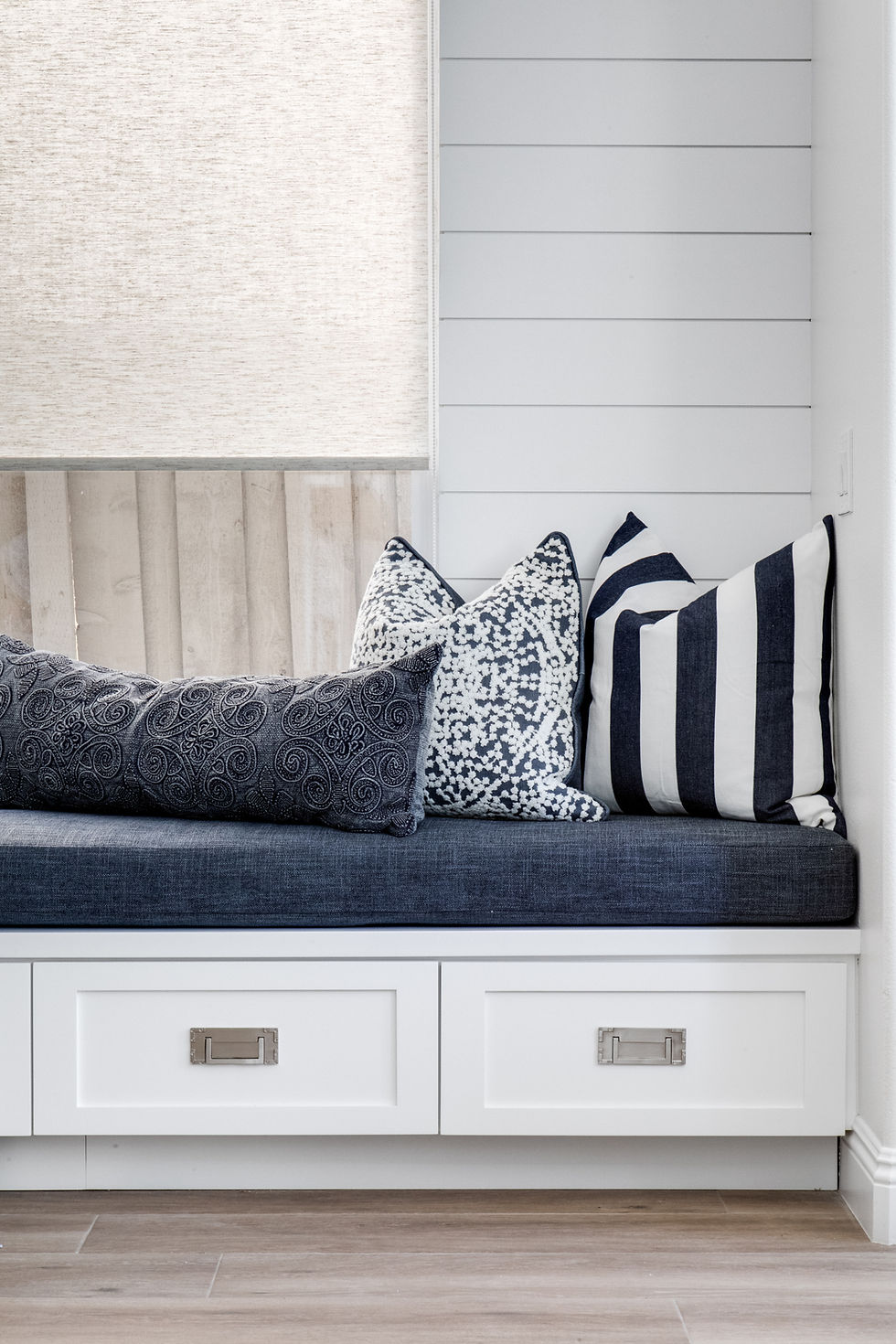
Lack of intentional drop zones or concealed storage for everyday items
Designers prioritize storage solutions that integrate seamlessly into the home without compromising style.
6. Making Decisions Without a Cohesive Plan
Finally, homeowners often make decisions piece by piece, without a clear vision or process. This can result in a mismatched, disjointed home.
Consequences include:
Clashing finishes, colors, or textures from room to room
Furniture that does not coordinate with architectural details
A home that feels assembled rather than intentional
A designer ensures every decision supports the overall aesthetic and functional goals, creating a home that feels cohesive and curated.
Why Hiring a Designer Matters
While some homeowners enjoy DIY projects, avoiding these common mistakes often requires experience, foresight, and a structured process. A designer brings both expertise and perspective, preventing costly errors and guiding homeowners toward solutions that are functional, beautiful, and lasting.
The result is a home that feels intentional, cohesive, and truly reflective of the people who live there. Curious how we can help?


Comments