
Wellness at Home: How Design Shapes Daily Life
Wellness at home is more than just a calm color palette or clean surfaces. It is about how a space supports the way people actually live, move, and recharge every day. Small design choices can have an outsized impact on energy, focus, and comfort.
Morning Energy Starts With Light and Flow

The first moments in your home set the tone for the day. Natural light and well-considered circulation can make a space feel energizing and organized.
Simple strategies include:
Positioning key work and prep areas near windows
Ensuring furniture placement supports natural movement through the home
Layering lighting to support morning routines without harsh glare
When these elements are considered, mornings feel less rushed and more intentional.
Furniture That Encourages Healthy Habits
The way furniture is arranged influences how a home is used. Thoughtful placement can encourage movement, connection, and ease of daily routines.
For example:
A centrally located kitchen island invites family interaction while supporting meal prep
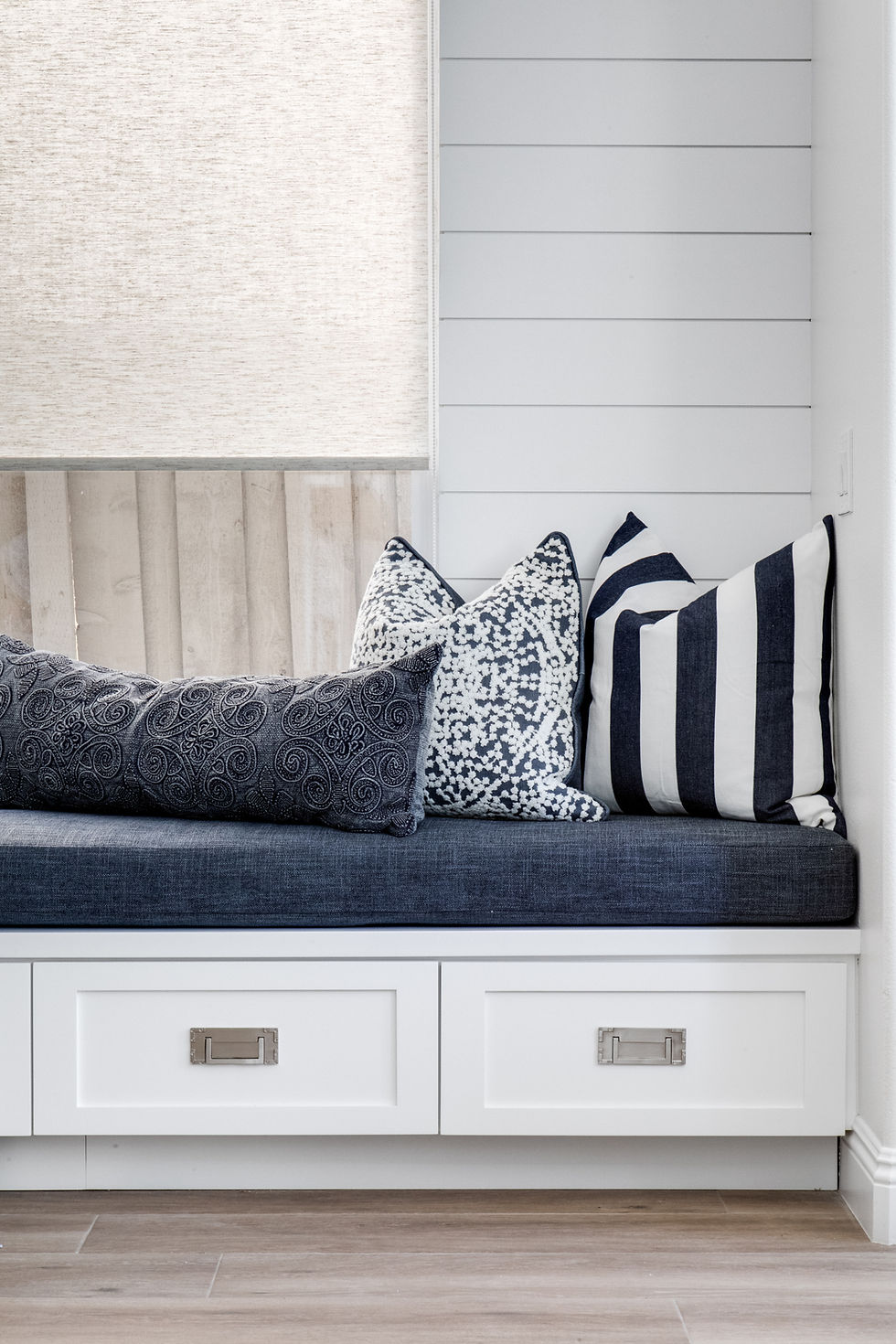
A reading nook positioned with natural light encourages downtime
Seating clusters that promote conversation make living areas feel inviting rather than cluttered
Furniture becomes a tool to guide healthy behaviors, not just a decorative element.
Materials That Support Comfort and Calm
Wellness also comes from tactile and visual experiences. Materials that feel pleasant underfoot, resilient upholstery, and smooth finishes can reduce stress in everyday life.
Considerations include:
Rugs that soften floors in high-traffic areas
Textiles that are easy to maintain without feeling utilitarian
Surfaces and finishes that balance beauty and durability
These choices make daily living smoother and allow a home to feel welcoming without constant effort.
Color and Atmosphere Matter
Subtle shifts in color, texture, and tone can affect mood more than many realize. Soft, coordinated palettes create spaces that feel grounded, while strategic contrast can energize and inspire.
Key approaches:
Neutral bases for calm and cohesion
Accent tones to define activity zones or inspire energy
Consistency across rooms to reduce visual fatigue
When color and materials work together, the home feels supportive and intentional.
Small Decisions, Big Impact
Wellness in the home is rarely about one dramatic change. It is about the accumulation of thoughtful decisions that influence daily life. Light, layout, furniture, and material choices all shape how a space feels and functions.
Homes designed with these details in mind help occupants feel more focused, relaxed, and at ease. Every element serves a purpose, and together they create an environment that nurtures the mind and body.


Comments