
Designing Family-Friendly Homes That Still Feel Elevated
Designing a home for a family often comes with a quiet fear. That once kids, pets, and daily life are factored in, the space will have to sacrifice style. In reality, the most successful family homes are the ones designed with intention, not compromise.
A family friendly home can still feel calm, considered, and elevated when function is addressed first and design choices are made thoughtfully.
Start With How the Home Is Actually Used
Before thinking about finishes or furnishings, it is important to understand how a family lives in their home. This includes daily routines, traffic patterns, storage needs, and where people naturally gather.

Thoughtful space planning allows us to:
Create clear circulation paths
Design seating that supports both connection and independence
Define zones within open spaces
Anticipate growth and changing needs over time
When layout and function are solved early, the rest of the design feels intentional rather than reactive.
Choose Materials That Support Real Life
An elevated home is not one that feels untouchable. It is one that holds up to daily use while still feeling refined.
This often means:
Performance fabrics that are durable and comfortable
Finishes that patina well rather than show every mark
Rugs that anchor a space without feeling precious
Upholstery and surfaces that are easy to maintain
Choosing the right materials allows families to live fully in their home without constantly worrying about wear and tear.
Focus on Scale, Not Just Style
Furniture that is the wrong size for a space can make even the most beautiful room feel chaotic. In family homes especially, scale and proportion play a major role in how calm a space feels.
Well sized furnishings:
Create a sense of balance
Improve circulation and safety
Make rooms feel grounded rather than cluttered
When furniture fits the space properly, the home feels more composed and easier to live in.
Storage as a Design Tool
Clutter is often what makes a home feel busy, not the presence of family life itself. Integrated and intentional storage allows everyday items to have a place, which keeps spaces feeling visually calm.
This can include:
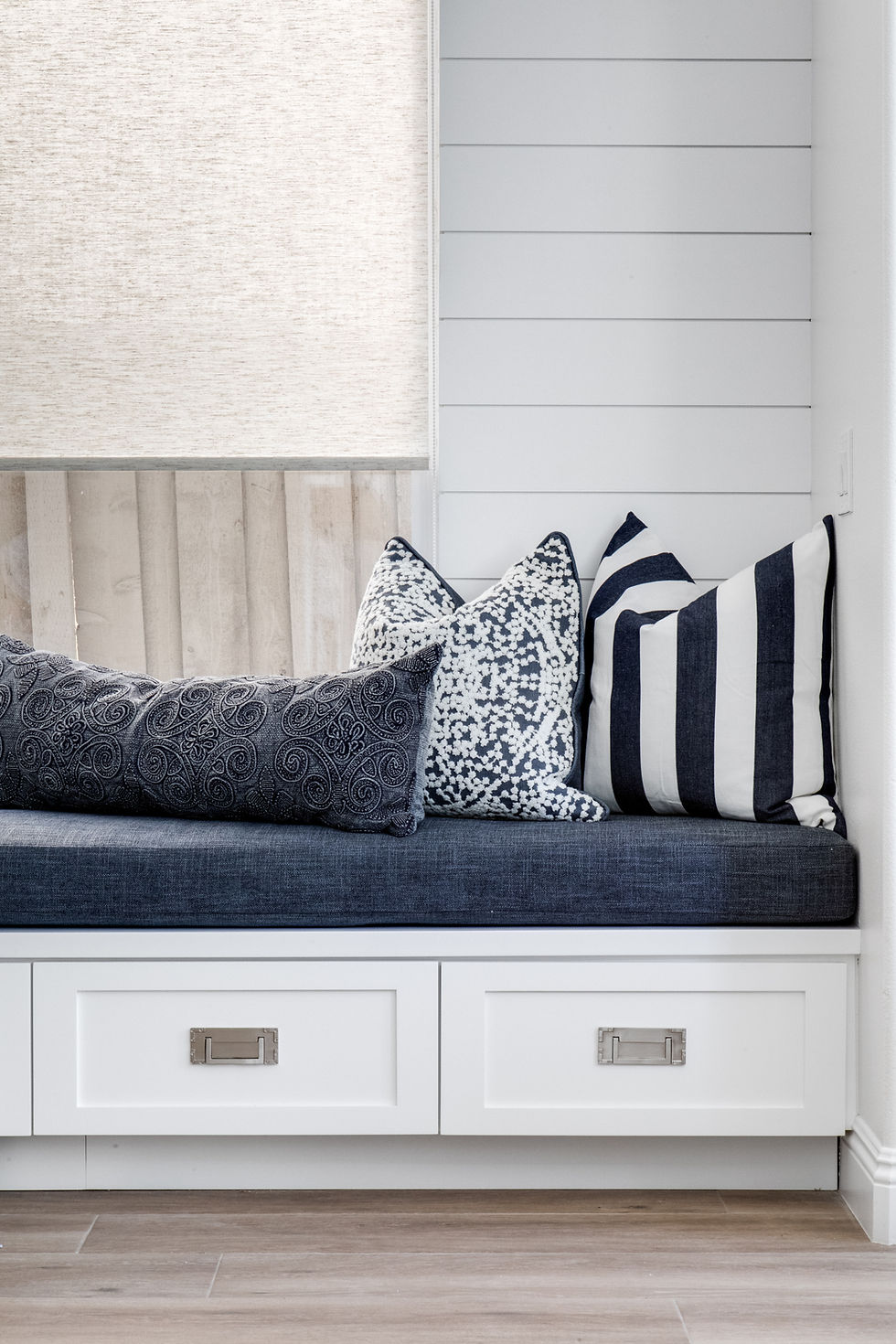
Built in cabinetry
Furniture with hidden storage
Thoughtful entry and drop zones
Closed storage balanced with open styling
When storage is considered part of the design, the home feels layered and functional without looking utilitarian.
Elevated Does Not Mean Untouchable
A family friendly home should feel welcoming, not fragile. Elevated design is less about perfection and more about cohesion, proportion, and restraint.
By limiting overly fussy details and focusing on quality over quantity, spaces feel calmer and more refined. This approach allows the home to age well alongside the family who lives there.
Why This Matters
Homes designed for families should support both connection and rest. They should feel comfortable without feeling casual and refined without feeling formal.
When function leads the design process, family friendly homes can still feel intentional, cohesive, and elevated. The result is a space that works for everyday life while still feeling like a place you are proud to call home.


Comments