
Entertaining Spaces Beyond the Dining Room: Living Rooms, Bonus Rooms, and Kitchens
Entertaining does not start and end at the dining table. The most successful homes allow guests to gather comfortably in multiple spaces, each designed to support conversation, activity, and flow.
Living rooms, kitchens, and bonus rooms can all serve as informal entertaining zones when they are thoughtfully planned and furnished.
1. Living Rooms That Encourage Connection
The living room is often the heart of casual gatherings. How furniture is arranged can determine whether the space feels inviting or fragmented. This can include:

Create conversation clusters: Position sofas and chairs to face each other instead of lining walls. Include small side tables for drinks or snacks.
Balance scale and proportion: Ensure furniture fits the room’s dimensions so seating feels comfortable, not cramped.
Layer lighting: Combine overhead fixtures, table lamps, and floor lamps to create warmth and allow flexible ambiance for day or evening entertaining.
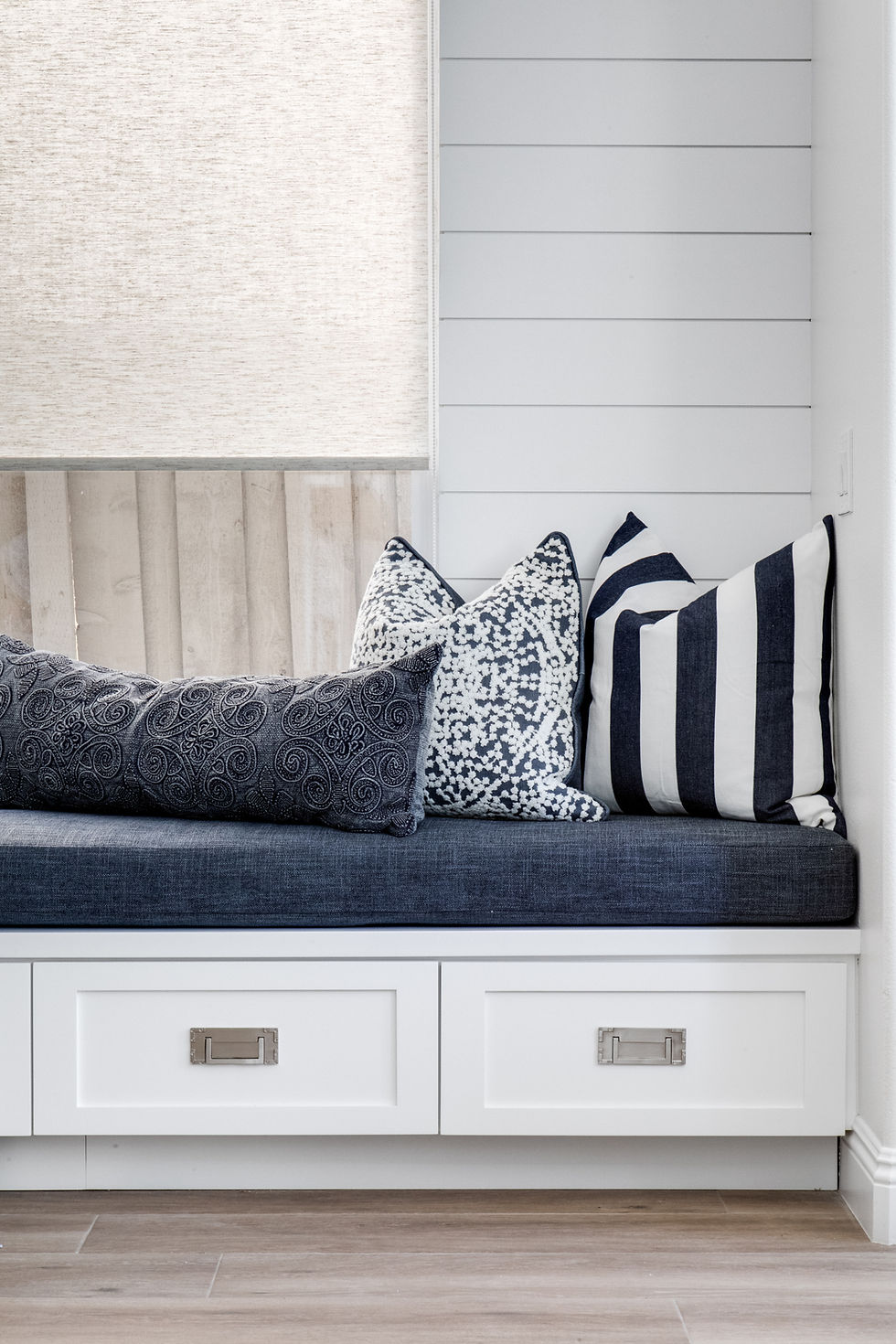
Include flexible seating: Ottomans, benches, and occasional chairs allow the room to adapt to the number of guests.
A living room designed with attention to flow and seating encourages interaction and keeps the space feeling welcoming.
2. Bonus Rooms as Multi-Purpose Gathering Spaces
Bonus rooms are often overlooked but can be a key part of entertaining. With careful planning, they can function as a casual lounge, game room, or media space.
Practical considerations:
Define zones: Separate a media area from a game or craft zone with rugs or furniture placement.
Use modular furniture: Sectionals, poufs, and movable tables allow for flexibility depending on the type of gathering.
Storage that supports activity: Built-in shelving or concealed storage keeps games, books, or toys organized without cluttering the space.
When designed thoughtfully, bonus rooms can accommodate different activities without feeling chaotic.


3. Kitchens That Invite Participation
Kitchens aren't just for cooking. They are often the center of social interaction during gatherings.
Design strategies to enhance entertaining include:
Incorporate seating at the island: Bar stools encourage guests to linger while meals are prepared.
Open circulation: Ensure pathways around counters and appliances allow multiple people to move freely.
Flexible prep and serving areas: Pull-out counters or adjacent sideboards allow for food staging without crowding.
Lighting for function and mood: Bright task lighting for cooking and softer ambient lighting for socializing creates a welcoming environment.
Kitchens designed with entertaining in mind keep hosts engaged with guests while maintaining functionality.

4. Thoughtful Transitions Between Spaces
Entertaining works best when spaces flow naturally into one another. Cohesion between living areas, bonus rooms, and kitchens enhances the overall experience. Tips include:
Repeat subtle materials, finishes, or accent colors across spaces to create visual continuity
Keep pathways clear and intuitive so guests can move freely from room to room
Use furniture and rugs to define zones while maintaining openness
These small, intentional touches create a sense of ease that allows gatherings to feel effortless.
5. Multi-Functional Accessories and Furniture
Even in homes that are not formally “entertainment-focused,” simple design choices make spaces more versatile:
Nesting tables and trays provide extra surface space without permanent footprint
Built-in shelving with adjustable heights accommodates decor or functional items for entertaining
Upholstered seating that is both comfortable and durable allows the space to support high-traffic use
Layering function and style ensures each room is ready for guests without feeling staged or fragile.
Why It Matters
Entertaining beyond the dining room is about creating a home that works as a series of connected, functional spaces. Thoughtful layouts, versatile furnishings, and cohesive styling allow living rooms, bonus rooms, and kitchens to feel equally inviting.
When these spaces are designed with intention, everyday gatherings and special events feel effortless, comfortable, and memorable for both hosts and guests.


Comments