
How Thoughtful Furnishings Change How You Use Your Home
Furnishings do more than fill a room—they shape how we move, gather, and interact in our homes. Choosing pieces without considering scale, function, and placement can limit how spaces are used, while thoughtful furniture transforms a home into one that works effortlessly for daily life.
1. Scale Shapes Function
Furniture that fits the space correctly sets the stage for how a room is used. Oversized pieces in a small living room can block pathways and create awkward circulation. Conversely, furniture that is too small can make a large space feel empty and underutilized.
Examples of scale in action:
A smaller sofa in a modest living room allows for a coffee table and side chairs, creating a comfortable conversation area.
A compact dining table in a breakfast nook encourages daily use and easy movement, while a larger table might restrict traffic flow.
Sectionals can be configured to support expanded seating arrangements, allowing rooms to accommodate both family and guests.
When scale is right, rooms function naturally and feel comfortable for everyday activities.
2. Placement Directs Movement and Interaction
Where furniture sits dictates how people move through and use a space. Thoughtful placement can create zones, encourage conversation, and support routines.
Specific strategies:
Pull seating inward from walls to define living areas and encourage social interaction.
Orient chairs or benches to face focal points like a fireplace, view, or TV, creating natural gathering spots.
Use rugs to anchor seating areas and visually separate zones in open-concept layouts.
Place furniture in a way that keeps pathways clear, supporting flow between rooms and activity zones.
Strategic placement allows rooms to feel intentional, functional, and flexible.
3. Function Guides Furniture Selection
The right furnishings support the way you actually live, not just the way a room looks. Considering lifestyle needs early ensures furniture is both beautiful and usable.
Examples:
A kitchen island with seating accommodates casual dining, homework, or conversation while cooking.
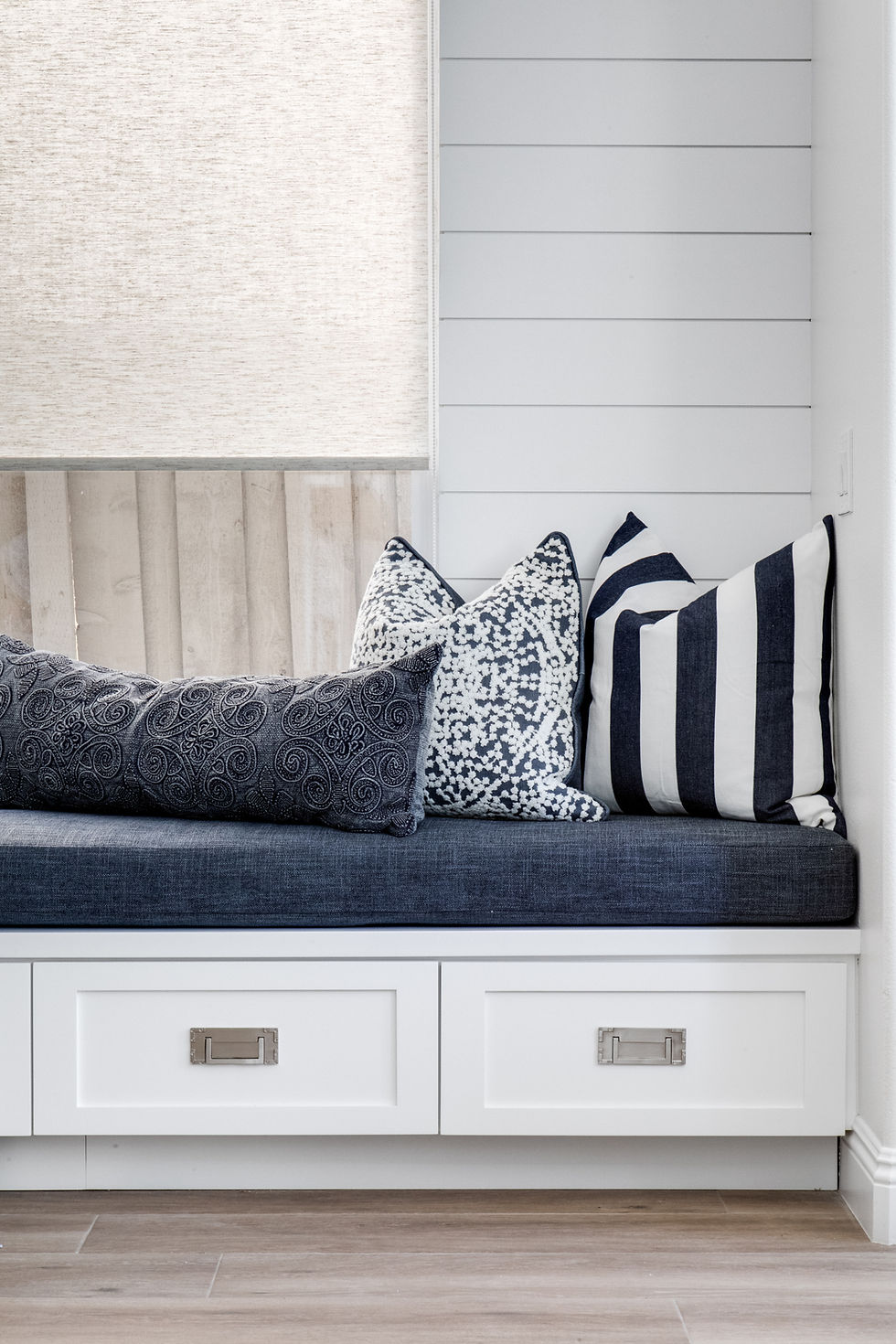
A storage bench in a mudroom encourages organization and smooth daily routines.
Upholstered ottomans with hidden storage reduce clutter while offering extra seating during gatherings.
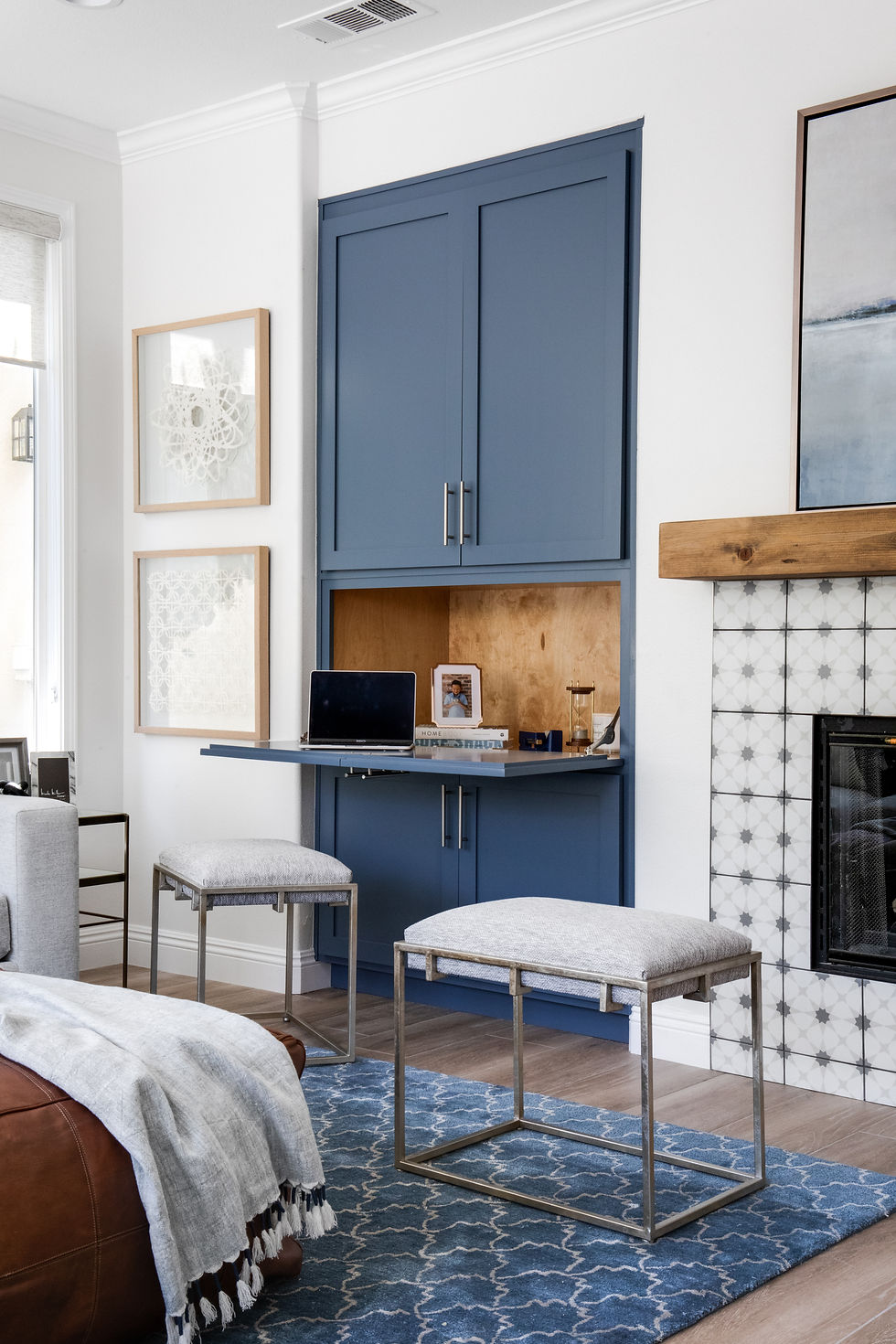
Adjustable desks or nesting tables allow spaces to adapt to work, play, or entertaining.
4. Layering and Versatility Enhance Daily Life
Thoughtful furnishings consider not only function but adaptability. Multi-use pieces, layered seating, and flexible layouts allow spaces to respond to different needs.
For instance:
A living room sectional paired with movable chairs can accommodate a quiet family night or a larger gathering.
A bonus room with modular seating can transform from playroom to media room seamlessly.
Nesting side tables or stools can be moved to support dining overflow or impromptu workstations.
Versatile furnishings ensure a home works for a family today and can adapt as needs evolve.
5. Subtle Design Decisions Affect Comfort and Flow
Even small details in furniture selection change how a home is used:
Sofa depth influences posture and how long people naturally sit or relax.
Armchair height affects accessibility for children or older family members.
Table heights impact how casual or formal a space feels for daily living or entertaining.
These decisions, while often overlooked, make a significant difference in functionality and comfort.
Why Thoughtful Furnishings Matter
When furnishings are selected and placed with intention, every space in the home works harder and feels more comfortable. Rooms flow, interactions are encouraged, and routines are supported.
Thoughtful furniture allows a home to go beyond simply looking good—it supports the way people live, gather, and experience each space every day.


Comments